
MRI Scan, MRI Technology, Concierge MRI, Patient Benefits
The Future of MRI Without Contrast: What Patients Should Know
- Written by: Admin
- May 5, 2026
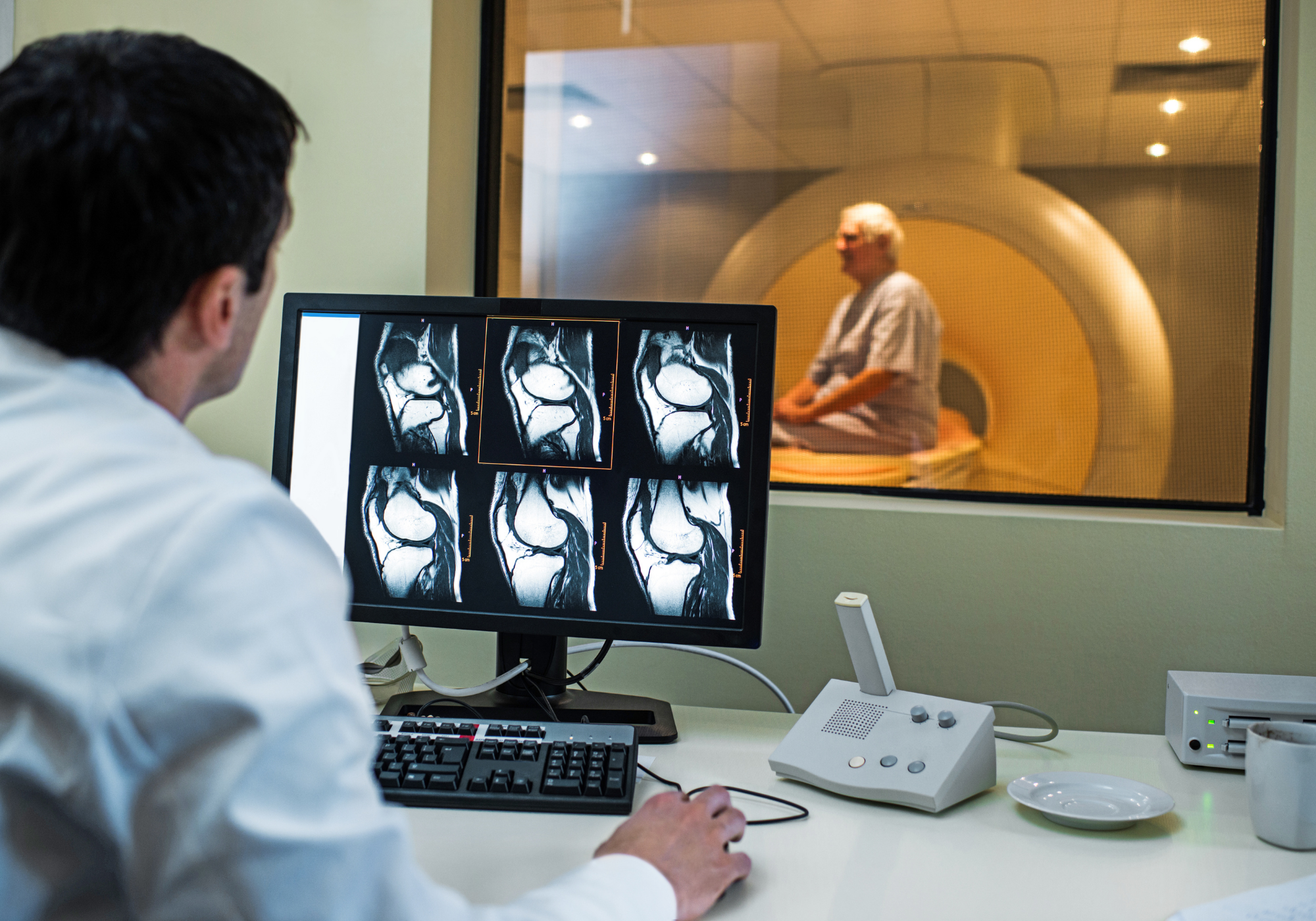
Magnetic Resonance Imaging has long been one of the most advanced tools in modern healthcare. In many cases, contrast agents have been used during MRI scans to help highlight specific areas of the body and improve visibility. While contrast can be very useful, not every scan requires it, and recent advancements in imaging technology are making it possible to obtain highly detailed images without its use.
As we move into 2026, artificial intelligence and improved MRI techniques are helping reshape how imaging is performed. These developments are making non-contrast MRI more effective, more accessible, and more widely used across a variety of clinical applications.
At USCAN, we believe it is important for patients to understand how these advancements may impact their care. Here is a closer look at how MRI without contrast is evolving and what it means for patients.
Understanding the Role of Contrast in MRI
Contrast agents are substances that are sometimes injected into the body during an MRI scan. They help highlight blood vessels, inflammation, and certain types of tissue, making it easier for radiologists to identify abnormalities.
In many situations, contrast is essential for answering specific clinical questions. However, there are also many cases where high quality imaging can be achieved without it. The decision to use contrast depends on the type of scan being performed and the information that is needed.
As MRI technology continues to improve, the need for contrast in certain exams is being reevaluated. This shift is driven by both technological progress and a growing focus on personalized imaging.
How AI is Improving Non Contrast MRI
One of the most significant developments in MRI is the use of artificial intelligence to enhance image quality. AI driven reconstruction techniques can process imaging data more efficiently and improve clarity, even when less information is collected during the scan.
These systems are trained using large datasets of high quality MRI images. Over time, they learn how to identify patterns and refine image detail. This allows them to produce clearer images from scans that might otherwise appear less detailed.
For non contrast MRI, this is especially important. AI helps compensate for the lack of contrast enhancement by improving visibility of soft tissues and subtle differences within the body. As a result, physicians can still obtain valuable diagnostic information without relying on injected agents in many cases.
Advances in MRI Sequences and Imaging Techniques
In addition to AI, new MRI sequences are contributing to the effectiveness of non contrast imaging. Modern MRI systems use specialized imaging techniques that are designed to highlight specific tissues and physiological processes without the need for contrast.
For example, diffusion weighted imaging can detect changes in tissue at a microscopic level, which is particularly useful in neurological imaging. Other techniques can assess blood flow, tissue composition, and inflammation using natural signals within the body.
These advancements allow radiologists to gather detailed information through multiple imaging approaches, reducing the need for contrast in certain scenarios. As technology continues to evolve, these techniques are becoming more refined and widely available.
Benefits of MRI Without Contrast
The ability to perform MRI without contrast offers several important benefits for patients. One of the most obvious advantages is convenience. Without the need for an injection, the imaging process can feel simpler and more streamlined.
Non-contrast MRI may also reduce the risk of potential side effects associated with contrast agents. While contrast is considered safe for most patients, some individuals may have sensitivities or specific medical conditions that require additional consideration.
Another benefit is efficiency. Eliminating the contrast step can shorten appointment times and simplify the overall imaging experience. This can be especially helpful for patients who are already feeling anxious about their scan.
By expanding the use of non contrast MRI, imaging centers can provide more flexible and patient focused options.
When Contrast Is Still Important
Despite these advancements, contrast MRI remains an essential part of many diagnostic evaluations. Certain conditions, including some tumors, infections, and vascular abnormalities, may still require contrast for accurate assessment.
The goal of modern imaging is not to eliminate contrast entirely, but to use it more selectively. By combining advanced imaging techniques with clinical expertise, providers can determine when contrast is truly necessary and when it can be avoided.
This approach helps ensure that each patient receives the most appropriate type of imaging based on their individual needs.
What This Means for Patients at USCAN
The evolution of non-contrast MRI reflects a broader shift toward smarter and more personalized imaging. Patients now have access to advanced technology that supports high quality results while offering greater comfort and flexibility.
At USCAN, we stay informed on these advancements so we can continue providing imaging services that align with the latest developments in MRI technology. Our goal is to deliver clear, accurate results while prioritizing patient comfort and quality care.
If you are scheduled for an MRI, our team will guide you through the process and help determine the most appropriate type of scan for your situation. Whether contrast is needed or not, you can feel confident that your imaging is tailored to support your health.
Looking Ahead
As MRI technology continues to advance, the role of contrast in imaging will continue to evolve. Artificial intelligence, improved imaging sequences, and ongoing research are helping expand what is possible with non contrast MRI.
These innovations are making imaging more efficient, more accessible, and more patient focused. For many patients, this means a simpler experience without compromising the quality of their results.
The future of MRI is centered on precision and personalization. At USCAN, we are committed to staying aligned with these advancements and providing imaging solutions that support better outcomes for every patient.
Share This