
MRI Scan, MRI Technology, Concierge MRI, Patient Benefits
How Next Generation MRI Technology Benefits Patients in 2026
- Written by: Admin
- February 19, 2026
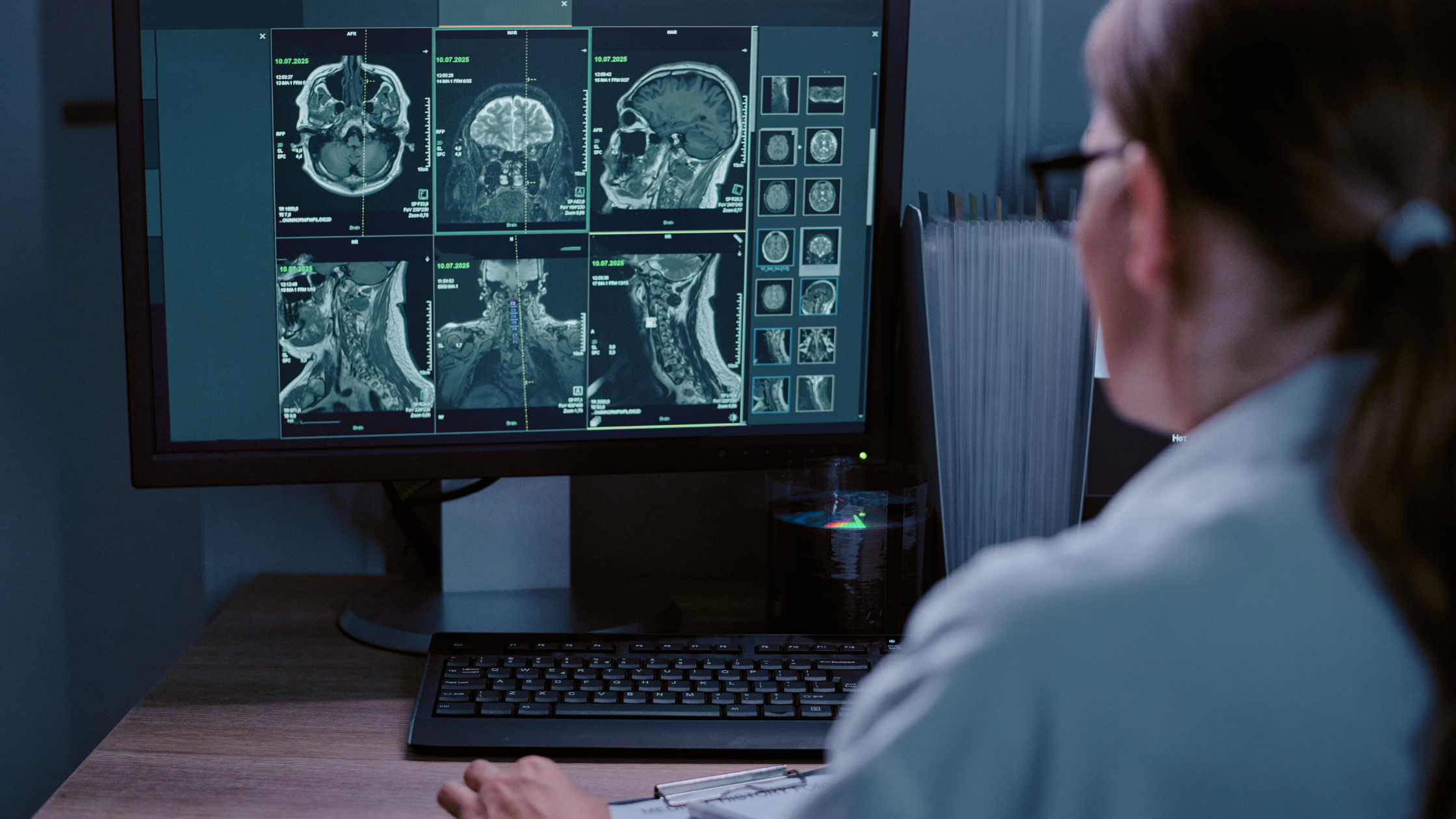
Medical Imaging continues to evolve at a rapid pace, and MRI technology is no exception. As we move into 2026, innovation in MRI is focused on improving image quality, reducing scan times, increasing accessibility, and enhancing quality patient care. These advancements are not just about newer machines or faster software. They directly impact how patients experience imaging and how clinicians use MRI to support accurate diagnosis and treatment planning.
At USCAN, staying informed on emerging imaging technology allows us to better serve our patients and remain aligned with the future of diagnostic imaging. Below are some of the most significant MRI focused advancements expected to shape the industry in 2026 and beyond.
Artifical Intelligence Driven MRI Image Enhancement
Artificial intelligence continues to play a growing role in MRI imaging, paritculary in how images are captured and processed. One of the most impactful advancements involves AI assisted image reconstruction. These systems can enhance MRI images using less raw data, resulting in clearer images while shortening scan times.
For patients, this means spending less time inside the scanner, which can be especially beneficial for individuals who experience discomfort, discomfort, anxiety, or difficulty remaining still. For providers, AI enhanced imaging supports consistency and clarity, helping radiologists visualize fine details that support confident clinical decisions.
As these tools continue to improve, AI driven image enhancement is expected to become more widely adopted across MRI systems, helping elevate both image quality and patient experience without compromising diagnostic accuracy.
Faster MRI Through Smart Scan Optimization
Another major area of development involves optimizing MRI scan workflows. New software advancements allow MRI system to automatically adjust imaging parameters in real time. These tools analyze anatomy and movement during the scan and adapt accordingly to reduce motion artifacts and minimize the need for repeat imaging.
Shorter and more efficient scans help improve patient comfort and can support scheduling flexibility. This is especially important as demand for MRI continues to rise nationwide. By reducing scan duration while maintaining high image quality, these advancements help imaging centers deliver timely and reliable results.
Smart scan optimization also supports patients who may struggle with longer exams, including older adults or individuals with chronic pain. The result is a more patient centered approach to imaging without sacrificing diagnostic value.
Advanced MRI Applications for Cardiac Imaging
Cardiac MRI continues to expand as a valuable tool in assessing hearth health. Advances in AI assisted cardiac imaging are helping simplify what has traditionally been one of the more complex MRI exams. New technology can automate certain imaging views and improve visualization of cardiac structures, making scans more efficient and easier to interpret.
These developments allow physicians to evaluate heart function, tissue health, and blood flow with greater precision. As cardiac MRI becomes more accessible, it plays an increasing role in identifying heart conditions earlier and supporting more personalized treatment planning.
The continued evolution of cardiac MRI reflects how imaging technology is expanding beyond traditional use cases and supporting a broader range of diagnostic needs.
Portable MRI and Expanded Imaging Access
Portable MRI systems are gaining attention as an innovative way to expand access to diagnostic imaging. These compact systems are designed to operate in smaller spaces and may eventually bring MRI capabilities to settings where traditional scanners are not practical.
While portable MRI is still evolving, ongoing development highlights a broader shift toward accessibility and convenience in medical imaging. By reducing infrastructure requirements, portable systems have the potential to bring MRI technology closer to patients who may otherwise face barriers to care.
As these systems continue to improve, they represent a meaningful step toward more flexible imaging solutions that priortize patient access without compromising diagnostic integrity.
Patient Comfort and Experience Focused MRI Designed
MRI manufactures are increasingly prioritizing patient comfort as part of system design. Newer MRI systems focus on quieter operation, wider bore options, and improved lighting and ventilation. These features help create a more calming environment during the scan.
Improving comfort is not just about convenience. Patient relaxation and reduced movement can lead to better image quality and fewer repeat scans. By designing MRI systems with the patient experience in mind, the industry continues to move toward imaging solutions that are both clinically effective and patient friendly.
These advancements reflect a growing understanding that comfort and quality patient care are essential components of high quality diagnostic imaging.
MRI Technology and the Future of Preventive Care
As MRI technology advances, its role in preventive care continues to grow. Improvements in image clarity and efficiency allow clinicians to detect subtle changes earlier, supporting proactive health management. This is especially relevant in musculoskeletal, neurological, and cardiovascular imaging.
Preventive imaging is becoming an increasingly important part of personalized healthcare strategies. With continued innovation, MRI is positioned to support earlier detection and monitoring across a wide range of conditions.
These advancements reinforce the importance of imaging as a tool not only for diagnosis but also for long term health planning.
Looking Ahead at MRI Innovation in 2026
As MRI technology advances, its role in preventive care continues to grow. Improvements in image clarity and efficiency allow clinicians to detect subtle changes earlier, supporting proactive health management. This is especially relevant in musculoskeletal, neurological, and cardiovascular imaging.
Preventive imaging is becoming an increasingly important part of personalized healthcare strategies. With continued innovation, MRI is positioned to support earlier detection and monitoring across a wide range of conditions.
These advancements reinforce the importance of imaging as a tool not only for diagnosis but also for long term health planning.
The imaging technology advancements expected in 2026 reflect a broader shift toward smarter, more accessible, and more patient focused MRI solutions. From AI enhanced imaging to improved comfort and expanded access, these developments are shaping the future of diagnostic imaging in meaningful ways.
At USCAN, our focus remains on providing high quality MRI services while staying informed on emerging technologies that support accurate results and quality patient care. As MRI continues to evolve, we remain committed to offering imaging solutions that align with both technological progress and patient needs.
Share This